


You’ve crafted an online persona, and curated content that resonates with your audience, or perhaps you are at the very beginning, eager to establish your presence but feeling unsure and insecure about taking that first step. Despite your burgeoning success in personal branding or your aspirations to build one, you are often plagued by crippling self-doubt:
“Am I really good enough?”
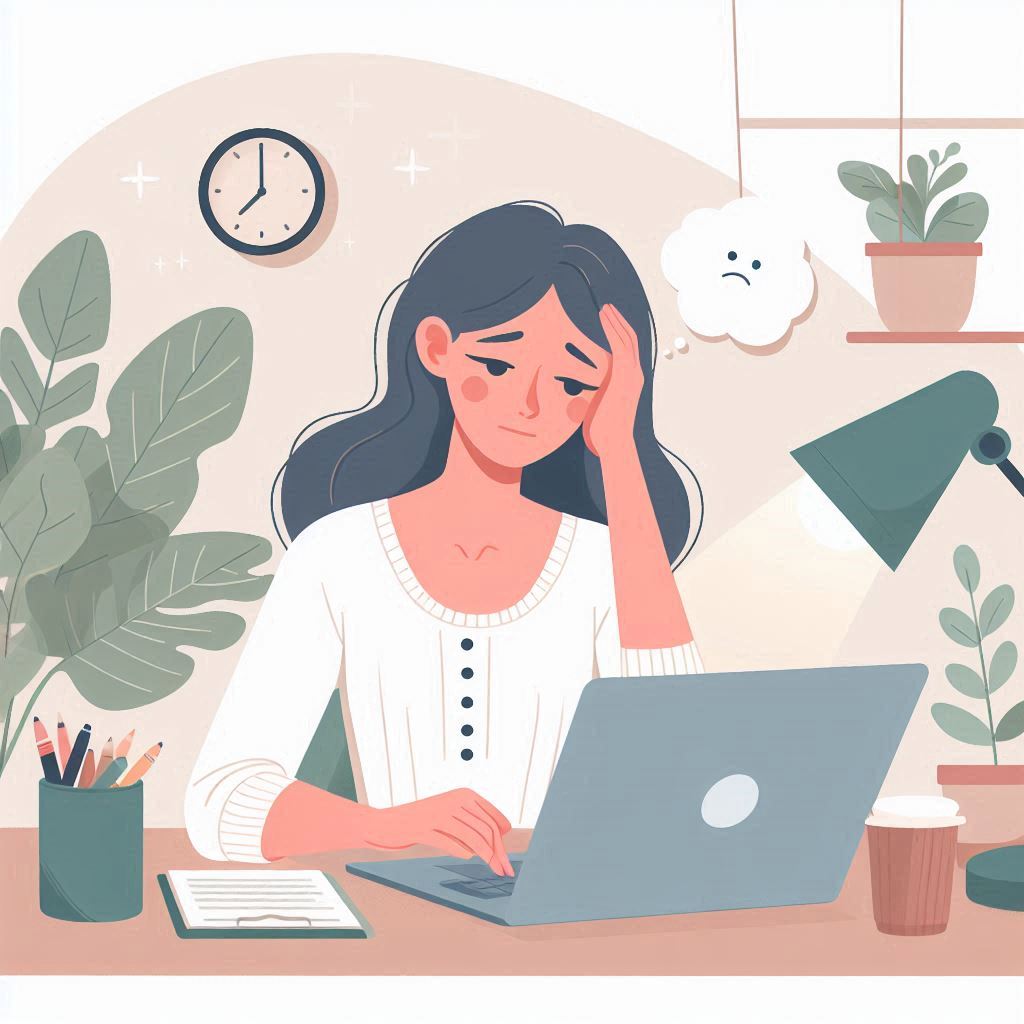
This is the voice of imposter syndrome, whispering that you don’t truly deserve your achievements or the accolades that come your way, or that you aren’t fit even to start. Such doubts can seriously undermine your confidence, stifling your ability to engage with your audience authentically and hindering your professional growth.
Imagine instead, a scenario where you could convert these internal misgivings into a source of strength. Addressing imposter syndrome not only fosters increased self-assurance and self-esteem but also equips you to tackle new personal and professional challenges with authenticity and confidence. This transformation is crucial, as a strong, confident personal brand attracts opportunities, partnerships, and a loyal following—all essential elements for success as an influencer or expert in your field.

Addressing imposter syndrome equips you to tackle new personal and professional challenges with authenticity and confidence.
For those just contemplating the leap into building a personal brand, the challenge may feel even more daunting. You might worry about not having enough expertise, not being charismatic enough, or simply not being interesting enough to develop a following. This phase of pre-creation doubt is common and can be an even bigger hurdle when you have yet to make your first post or video. Here, overcoming imposter syndrome is about recognizing your unique perspective and value, and understanding that every expert once stood where you stand today—unsure, but on the brink of taking a transformative first step.
Overcoming imposter syndrome is about recognizing your unique perspective and value
Failing to address imposter syndrome can have long-lasting effects. It might limit your willingness to apply for new jobs or promotions, stifle your creativity, prevent you from speaking up in meetings and sharing your ideas, you will doubt your business ideas, delay starting your own business. Over time, these missed opportunities can lead to career or business stagnation and diminished fulfillment. On a personal level, the constant stress and anxiety from feeling like an impostor can erode mental health, leading to burnout and possibly even depression.
Let’s explore how you can effectively combat imposter syndrome with strategic steps designed to foster self-assurance and authenticity
Step-by-Step Solutions to Conquer Imposter Syndrome

To move from doubt to empowerment, follow these tailored steps to diminish the effects of imposter syndrome and strengthen your personal brand:
1. Document Your Successes and Skills
Start by keeping a detailed record of your achievements. Every post that garners significant engagement, every positive feedback from your followers, and every milestone reached is a testament to your abilities and influence. Create a “brag sheet” that includes not only these achievements but also skills you’ve honed over time, such as effective communication, creative content creation, or adept use of social media tools.
Keeping a record of achievements and skills builds confidence by providing tangible evidence of progress. It reminds creators that they’ve earned their success through hard work and skill. A “brag sheet” becomes a powerful antidote to self-doubt, helping combat feelings of inadequacy by presenting undeniable proof of capability.
A “Brag sheet” is a powerful antidote to self-doubt, helping combat feelings of inadequacy by presenting undeniable proof of capability

Without this documentation, creators may undervalue their achievements, reinforcing the belief that their successes are mere luck or unearned. This can lead to stagnation, as they may lack the confidence to pursue greater opportunities or collaborations.
Action Plan [expand]:
- Keep a running list of all positive feedback, successful posts, and milestones achieved.
- Regularly update a file or a journal with new skills you’ve acquired and areas where you’ve improved.
- Reflect on this document whenever doubts arise, using it as concrete evidence of your capabilities and growth.
2. Set Realistic Expectations
Understand that no one is an expert overnight. Influencing, like any other field, requires continuous learning and growth. Set achievable goals for yourself and recognize that every small step forward is a victory against imposter syndrome. This helps in recalibrating your self-expectations and acknowledges your journey of incremental growth.
Realistic goals prevent burnout and disappointment, allowing creators to celebrate incremental progress. Recognizing the journey rather than just the destination fosters resilience and helps creators embrace the learning process.
Recognize the journey rather than just the destination
Unrealistic expectations can lead to feelings of failure when results don’t match aspirations. This exacerbates imposter syndrome, leading to frustration, self-sabotage, or even quitting altogether.
Action Plan [expand]:
- Break down your long-term goals into manageable, short-term objectives to monitor progress.
- Celebrate small successes along the way to keep motivated.
- Regularly adjust your goals as you learn more about your niche and your own capacity for work.
3. Seek Feedback and Mentorship
Engage with peers and mentors who can provide constructive feedback and guidance. Often, an external perspective can offer insights into your abilities that you might overlook. Join online communities of influencers, attend webinars, and participate in workshops to connect with others who might be experiencing similar challenges. Their encouragement and advice can be powerful in normalizing your feelings and reinforcing your sense of belonging.
Constructive feedback provides clarity about strengths and areas for growth, offering an external validation that balances internal doubt.
Mentorship creates a support system, reducing feelings of isolation and providing guidance from those who’ve walked a similar path.

Without feedback, creators may miss out on opportunities for improvement or fail to recognize their own progress. Avoiding mentorship or peer engagement can lead to loneliness and a sense of being unqualified, intensifying feelings of imposter syndrome.
Action Plan [expand]:
- Actively seek out mentors in your field who can provide insight and advice based on their own experiences.
- Engage with your audience for feedback on what they enjoy and what could be improved.
- Join online groups and forums where you can discuss your work and receive constructive criticism.
4. Visualize Your Success
Practice visualization techniques by imagining yourself achieving your goals. Whether it’s speaking at a panel, collaborating with a big brand, or reaching a follower milestone, visualizing these successes can significantly boost your mental affirmation. This practice not only enhances your self-esteem but also makes your goals feel more attainable.
Visualization – a tool for reprogramming the mind to focus on success rather than fears or self-doubt
Visualization helps solidify goals, making them feel achievable and motivating creators to take actionable steps toward their vision. It’s a tool for reprogramming the mind to focus on success rather than fears or self-doubt.
Neglecting this practice can lead to a lack of clarity about goals, leaving creators feeling unmoored. This uncertainty can fuel self-doubt and prevent them from taking necessary risks to grow their presence.
Action Plan [expand]:
- Spend time each day imagining achieving your goals, focusing on the feelings of success and the steps you took to get there.
- Create a vision board with images and quotes that represent your goals and aspirations to serve as daily inspiration.
- Use guided imagery exercises to reinforce these visualizations, enhancing your belief in your ability to succeed.
5. Educate Yourself Continuously
Stay informed about the latest trends and practices in your field. The more knowledgeable you are, the more confident you’ll feel. Utilize platforms like LinkedIn Learning, Coursera, or even YouTube, or KoroniED, obviously, to keep your skills sharp and your knowledge up-to-date. This not only bolsters your expertise but also enriches your content, making your personal brand stronger and more appealing.
Falling behind on trends and best practices can erode confidence and credibility. Without a commitment to learning, creators might feel unprepared and insecure, further deepening their imposter syndrome. Staying informed and developing new skills keeps creators competitive. Continuous learning reinforces the idea that expertise is built over time and that knowledge gaps are opportunities, not failings.
Remember: the expertise is built over time and knowledge gaps are opportunities, not failings
Action Plan [expand]:
- Subscribe to industry publications, follow thought leaders, and stay updated on trends and developments in your field.
- Enroll in courses and workshops to enhance your skills and knowledge.
- Dedicate time each week to learning something new that can be directly applied to improving your personal brand.
6. Normalize the Feeling
Understand that imposter syndrome is a common phenomenon, especially among high-achievers and those stepping into new roles. By normalizing this feeling, you can better manage it. Share your experiences with your audience; this not only humanizes your brand but also engages your followers on a more personal level.

Acknowledging that imposter syndrome is common helps to destigmatize it
Sharing these feelings connects creators with their audience and peers, fostering authenticity and mutual understanding.
Suppressing or ignoring these feelings can make them worse, as creators may believe they’re uniquely unqualified. This isolation can undermine their mental health and prevent them from fully embracing their role as a public figure.
Action Plan [expand]:
- Acknowledge that feeling like an imposter is common and discuss your experiences openly with peers or through your content.
- Educate yourself about the prevalence and impact of imposter syndrome to understand it’s not unique to you.
- Share stories and strategies on how you’re overcoming these feelings to support others facing similar challenges.
Overcoming imposter syndrome isn’t about eliminating self-doubt entirely but about learning to
move forward despite it
By reminding yourself of your achievements, engaging with your community, and continuously learning, you transform imposter syndrome from a barrier into a catapult that launches you to new heights in your career as an influencer. Embrace these steps, and watch as your personal brand flourishes, marked by authenticity and confidence.



0 Comments